
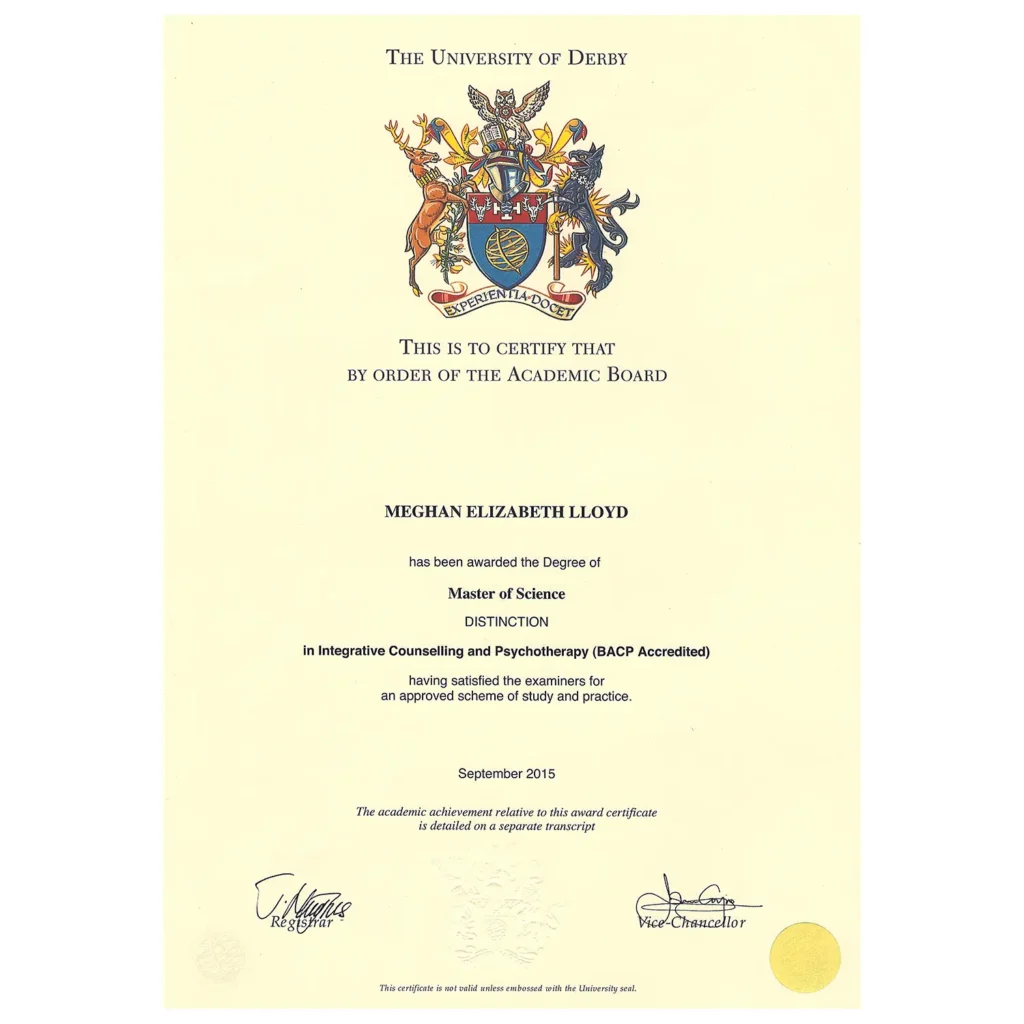
Training in any kind of therapeutic practice, whether it be psychotherapy, counselling, hypnotherapy, meditation or mindfulness is crucial when delivering sessions, because it enhances the facilitator’s ability to not only guide others effectively, but to also manage their own emotions and create a supportive environment for those they are working with.
A facilitator who understands all of the techniques, potential challenges, and ethical considerations involved in leading therapeutic workshops will ultimately lead to a more beneficial, impactful and safe therapeutic experience for all participants.
In today’s blog I thought I’d reflect on the importance of training when providing any kind of therapeutic service. As someone who has spent over 10 years training in many different therapeutic disciplines, I recognise the commitment it takes to study new ways of working and I feel deeply passionate about the importance of thorough, credible training when working with individuals to ensure an ethical practice.
Sadly, in the world we now live in today it is very easy for individuals to go online, read up on a subject, use AI and then promote themselves as a therapist.
Unfortunately, individuals can call themselves a counsellor after a 10 week counselling course, as the term counsellor is still not legally protected. Likewise, individuals can also lead other therapeutic workshops without formal training, as there is often no requirement for certification to teach these disciplines. However, whilst qualifications are sadly not mandatory, I want to touch on why I feel proper training is vitally important, especially when working with vulnerable adults and children.
You wouldn’t go to a mechanic who doesn’t have the correct tools would you? Or a doctor who wasn’t registered? Why, therefore should it be any different when trusting someone to work with our minds and our emotions, which we all know ultimately govern our health and wellbeing?
I have listed below the reasons behind the importance of training.
Developing a foundation
Any therapeutic practice should be based on using proper techniques. In the meditation work that I do in Bright Minds and Tall Tales for example, it is important that I have training in breathwork, body scanning, deep body relaxation techniques and anchoring techniques for example. Personal therapy is also important to ensure a certain level of personal awareness before working with others. This is achieved through my supervision which I am ethically obligated to receive each month as a way of ensuring I am working to the highest standards and to the best of my ability.
Knowledge of the basic principles of practice
Facilitators should be trained at the very least in the basic principles of the discipline they are delivering. In my opinion they should be confident in guiding others in present moment awareness and acceptance, as well as recognising the importance of non-judgemental observation.
Facilitation skills
Proper training ensures that instructors are confident in their practice and are able to create a safe and supportive atmosphere through managing group dynamics, whilst providing clear instructions. Training is crucial in terms of understanding the importance of using mindful language and in having the ability to address the diverse needs and experiences of the individuals in the group.
Ethical considerations
Facilitators should be trained on ethical guidelines when delivering any kind of therapeutic practice. Guidelines for ethical practice include respecting boundaries and knowing how to create a safe space for everyone in the room.
Managing group dynamics and addressing individual needs
I wholeheartedly believe that facilitators need the appropriate training to be able to manage group dynamics, address any potential challenges, and create a supportive environment so people in the group feel safe, relaxed and able to share experiences should they wish to.
Training is also essential when it comes to meeting the individual needs of people in the group, including those with mental health challenges, physical limitations or different learning styles. This is especially true when working with children as not all children learn in the same way. For example, before leading a Bright Minds and Tall Tales workshop, I explain what visualisation is and provide examples in case anyone is unsure or confused.
Training ensures that the facilitator is considering all possibilities and feels confident in managing any potential difficult situations that might arise.
Self-care and wellbeing
Training should emphasise the importance of self-care for any practitioner. I work on the belief that if I’m not looking after myself, both physically and emotionally, then how am I going to be able to offer the support or appropriate level of care to others. Regular supervision provides personal insight, personal growth and ensures ethical practice.
As well as looking at the importance of training, I also think it is interesting to consider the benefits that working with trained facilitators can offer as opposed to those without the appropriate training and relevant certificates.
Enhanced Participant Outcomes -Sessions are more effective if the facilitator has the correct training to improve focus, reduce stress and provide an enhanced level of emotional wellbeing for the people they work with.
Increased Safety- Proper training ensures all practices are delivered safely and that all ethical considerations have been considered to reduce any risk of negative experiences.
Greater Confidence and Credibility – A trained facilitator can be confident that their practice is credible, integral, ethical and is grounded in sound, in depth training.
To conclude, when I reflect on my journey as a therapist, I am grateful for the amazing tuition, training and guidance I have received over the years. However, I am most grateful to all of the wonderful individuals I have met and worked with along the way who have provided me with the experience necessary to grow as a therapist and as a person and who have taught me that you never stop learning.