
Bright Minds and Tall Tales, emphasises the therapeutic and creative benefits of storytelling. In this post, I would like to concentrate on how we, as parents, can utilise storytelling at home to foster and ignite creativity in our children, along with sharing some suggestions to make storytelling more captivating.
While story time often occurs at bedtime and aims to help our children unwind and prepare for sleep, it is equally crucial to engage them. In this regard your demeanour and vocal tone play a vital role as the narrator.
If you do not convey a sense of vitality toward the narrative, believing wholeheartedly in its evolving scenarios and events, your story may not inspire or achieve the intended impact.
Both adult and child should embark on a journey through the story together. Many adults have shared that they have rediscovered a sense of wonder from their own childhood while reading to children. You can demonstrate to children that you are genuinely invested in the tale you are sharing through your vocal tone, speech patterns and facial expressions. By showcasing your emotional responses to the story, such as astonishment and enthusiasm, you bring the narrative to life.
Above all, take your time telling the stories. As you read, let the mood and atmosphere develop and pause regularly to allow your child to imagine the scenes of the story. Encourage them to discuss the story in their own words and at their own pace if they appear eager to do so once you have finished reading.
Most children are easily distracted and struggle to focus and concentrate on one thing. But since concentration forms the basis of all storytelling, you must be able to capture and hold their interest while you tell stories.
I start each Bright Minds and Tall Tales workshop with a basic breathing, stretching and relaxation exercise. This helps children focus, release any extra energy, and prevents restlessness. I encourage you to try this at home with your child before you begin your story. It will help create the right ambience.
Childrens’ vocabulary grows and their imaginations become more expansive the more they read or are read to. Therefore, don’t be afraid to use big, expressive words as it will only promote a wider comprehension of language and vocabulary. This gives children the courage to utilise words they may not have otherwise met and is very helpful when it comes to their education, especially when it comes to creating their own stories or speaking in front of others.
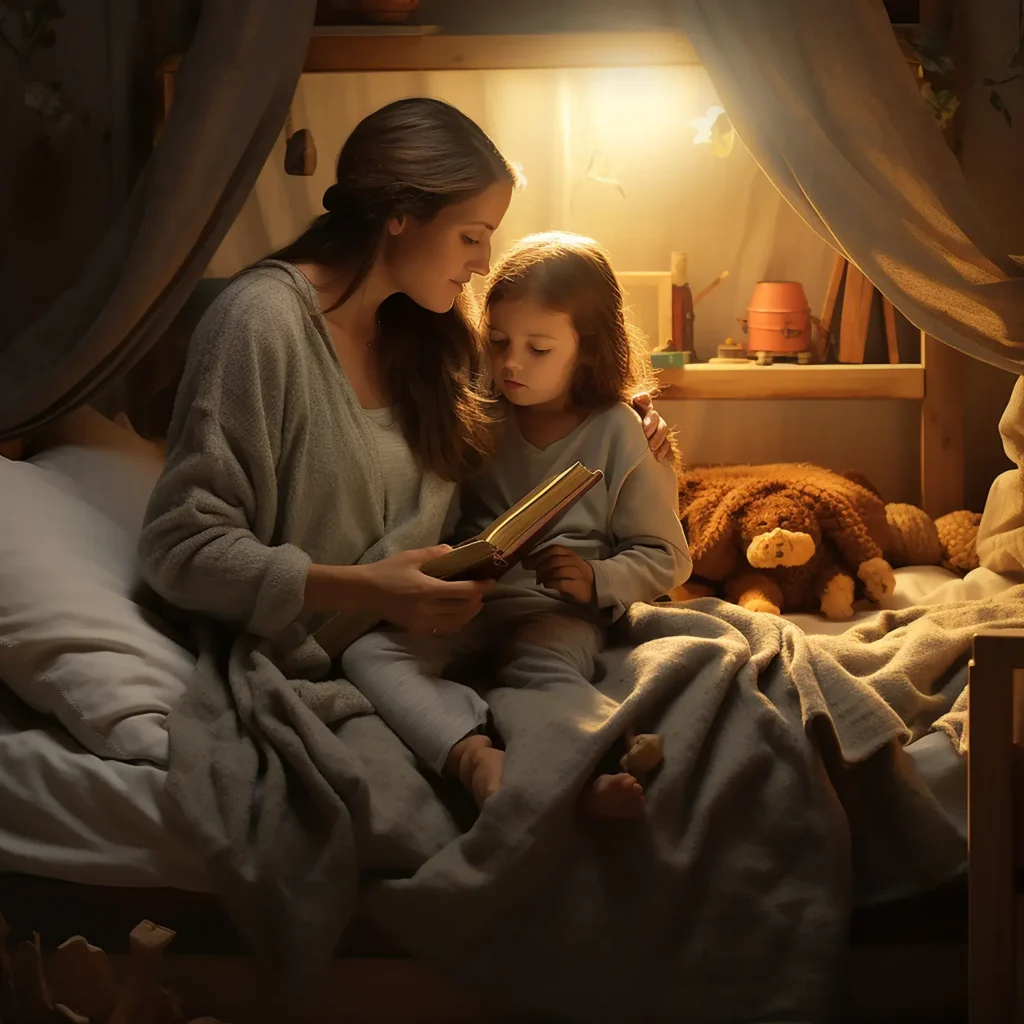
Finally, let’s consider the impact that storytelling can have on your relationship with your child. This is a special bonding experience for you both and your child will soon learn to anticipate the warm, intimate feeling of snuggling down with you and getting your whole attention, because story time is a genuinely unique and sacred shared time for you both.